Wonders of the world

The Great wall of China

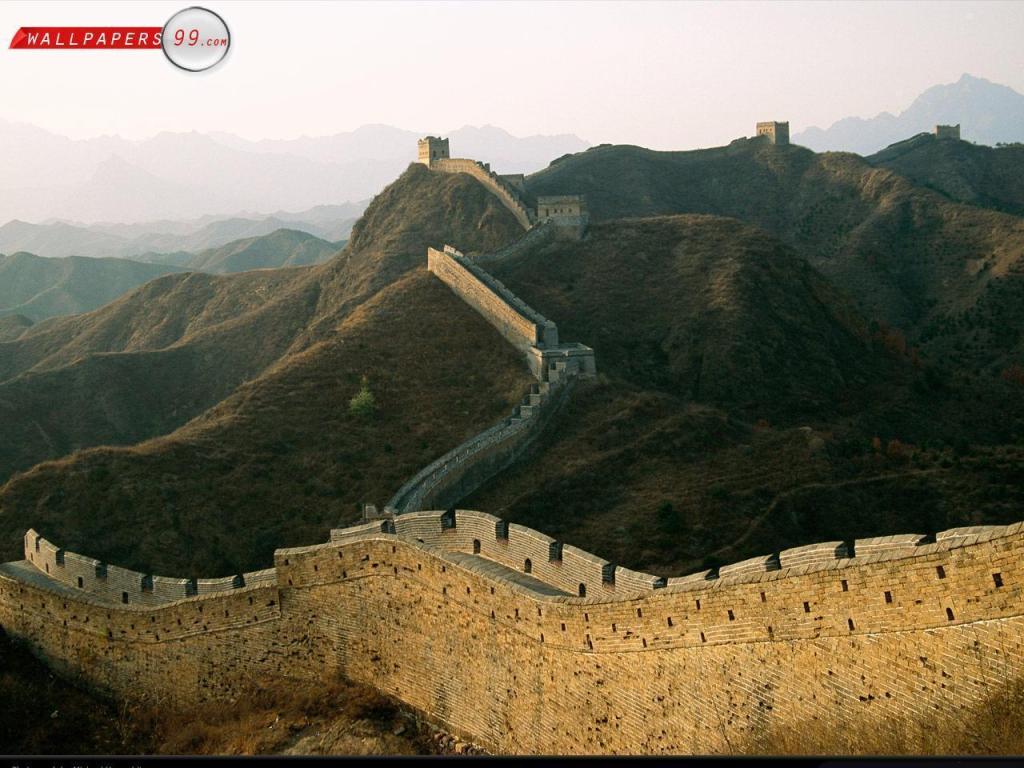
Great Wall of China (China)
Built between the 5th century B.C. and the 16th century, the Great Wall of China is a stone-and-earth fortification created to protect the borders of the Chinese Empire from invading Mongols. The Great Wall is actually a succession of multiple walls spanning approximately 4,000 miles, making it the world’s longest manmade structure.
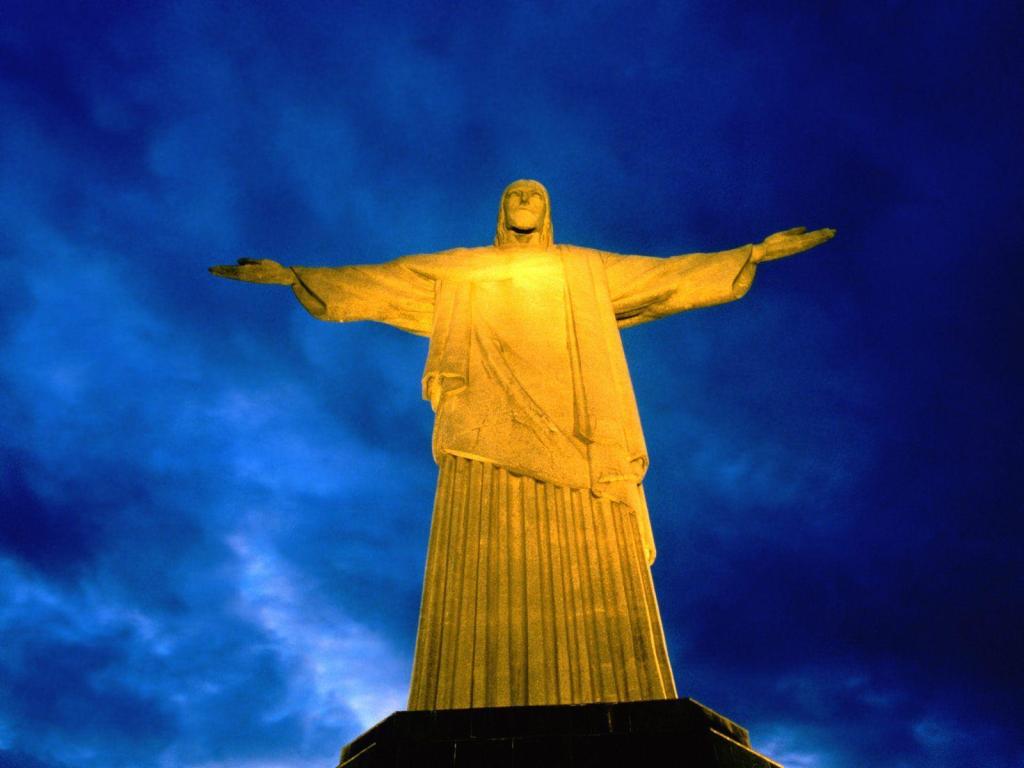
Christ the Redeemer

The Art Deco-style Christ the Redeemer statue has been looming over the Brazilians from upon Corcovado mountain in an awe-inspiring state of eternal blessing since 1931. The 130-foot reinforced concrete-and-soapstone statue was designed by Heitor da Silva Costa and cost approximately $250,000 to build – much of the money was raised through donations. The statue has become an easily recognized icon for Rio and Brazil.
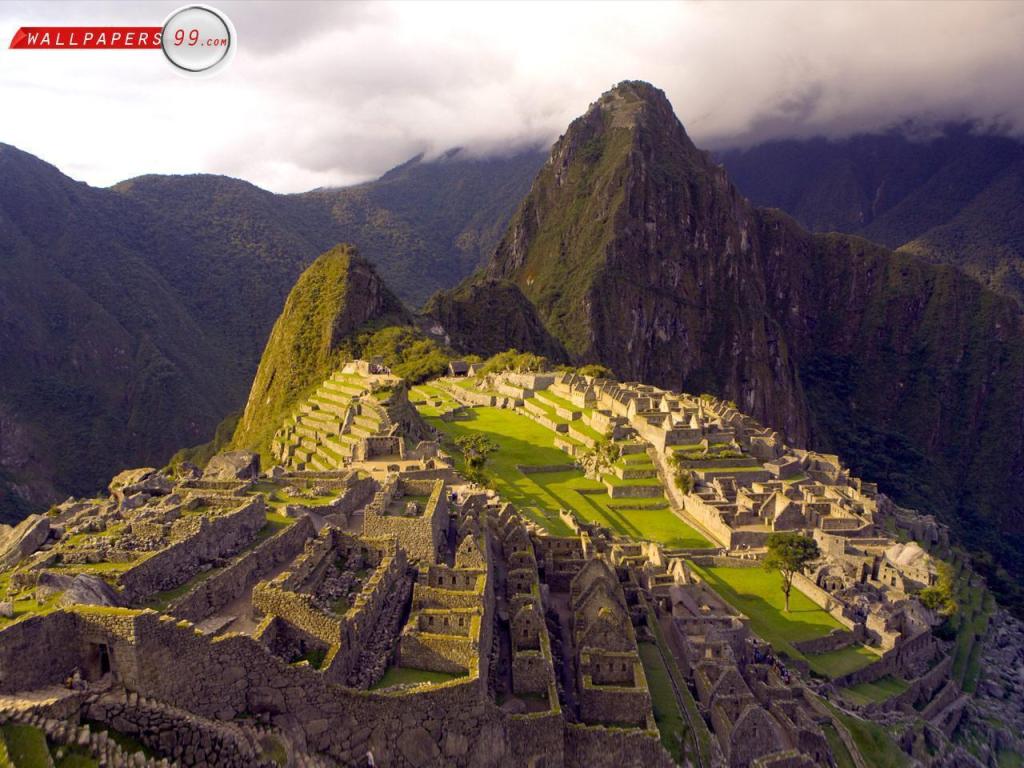
Machu Picchu

Machu Picchu, an Incan city of sparkling granite precariously perched between 2 towering Andean peaks, is thought by scholars to have been a sacred archaeological center for the nearby Incan capital of Cusco. Built at the peak of the Incan Empire in the mid-1400s, this mountain citadel was later abandoned by the Incas. The site remained unknown except to locals until 1911, when it was rediscovered by archaeologist Hiram Bingham. The site can only be reached by foot, train or helicopter; most visitors visit by train from nearby Cusco.
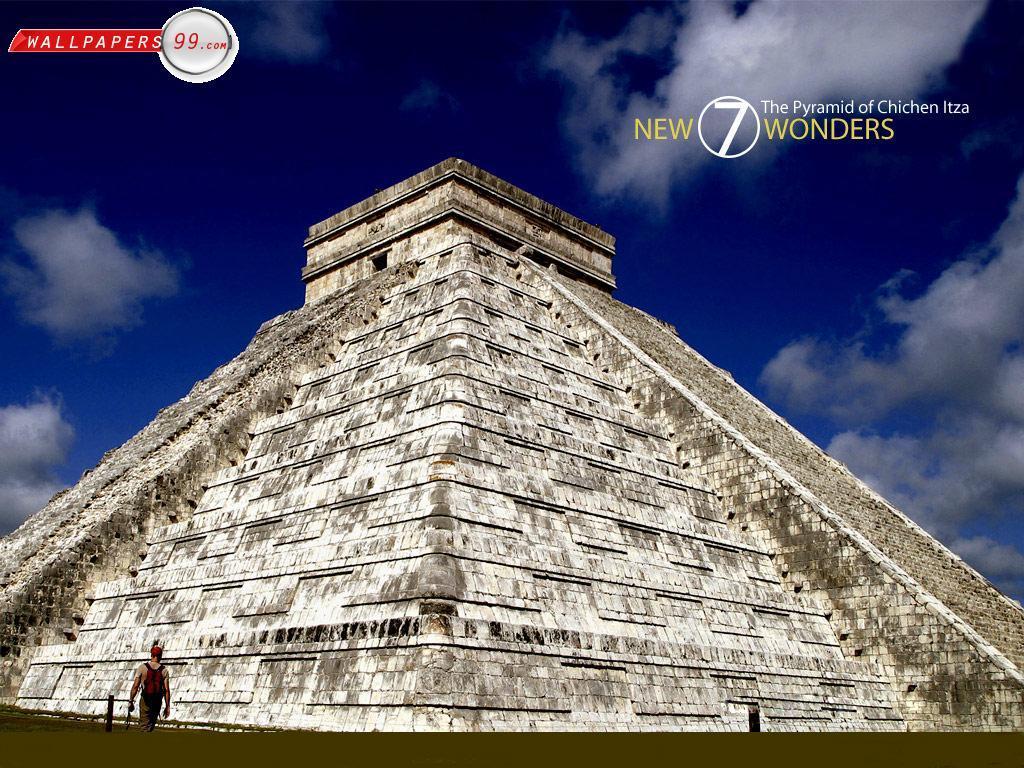
Chichen Itza

The genius and adaptability of Mayan culture can be seen in the splendid ruins of Chichen Itza. This powerful city, a trading center for cloth, slaves, honey and salt, flourished from approximately 800 to 1200, and acted as the political and economic hub of the Mayan civilization. The most familiar ruin at the site is El Caracol, a sophisticated astronomical observatory.
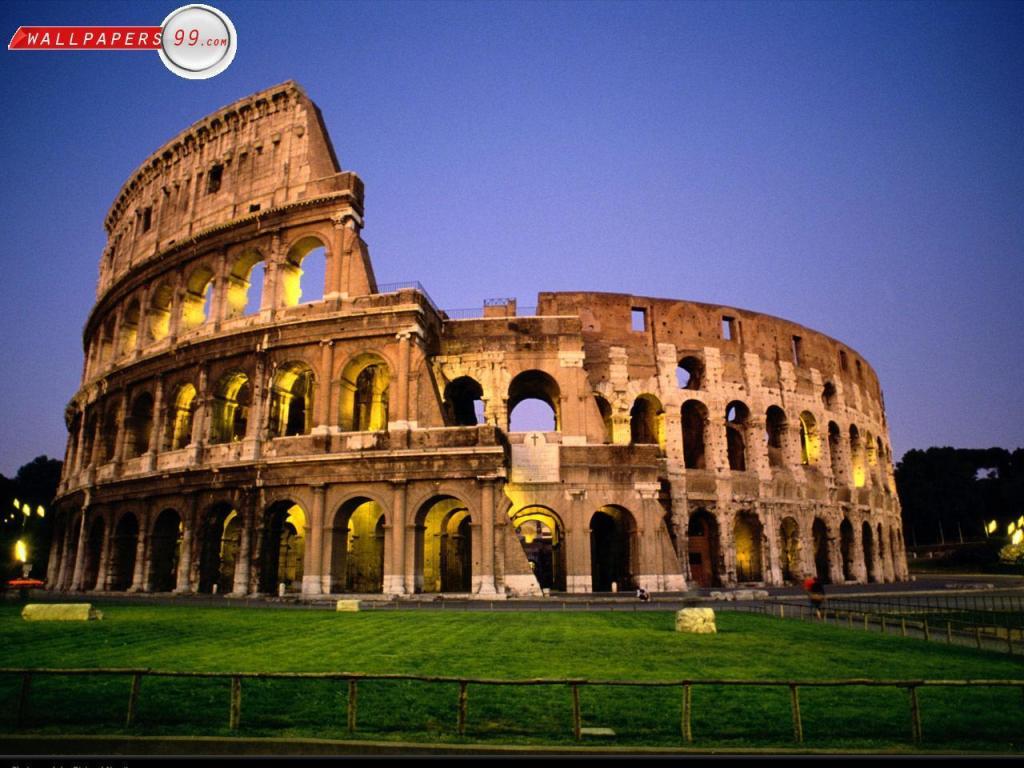
Roman Colosseum

Rome‘s, if not Italy‘s, most enduring icon is undoubtedly its Colosseum. Built between A.D. 70 and 80 A.D., it was in use for some 500 years. The elliptical structure sat nearly 50,000 spectators, who gathered to watch the gladiatorial events as well as other public spectacles, including battle reenactments, animal hunts and executions. Earthquakes and stone-robbers have left the Colosseum in a state of ruin, but portions of the structure remain open to tourists, and its design still influences the construction of modern-day amphitheaters, some 2,000 years later.
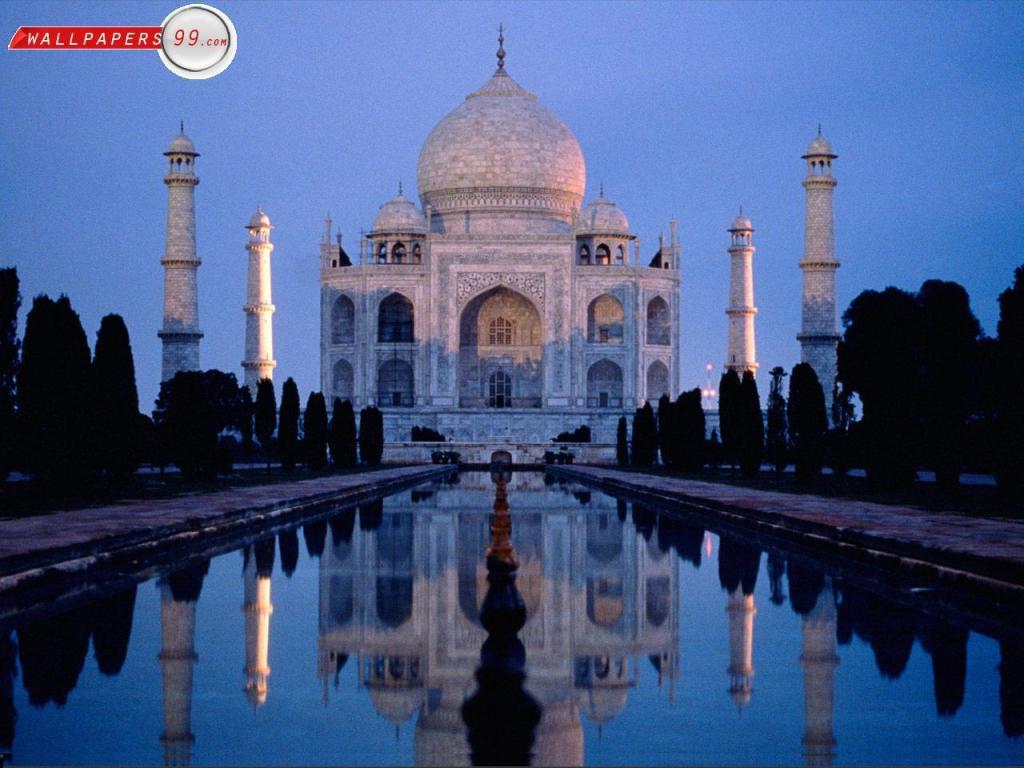
Taj Mahal

A mausoleum commissioned for the wife of Mughal Emperor Shah Jahan, the Taj Mahal was built between 1632 and 1648. Considered the most perfect specimen of Muslim art in India, the white marble structure actually represents a number of architectural styles, including Persian, Islamic, Turkish and Indian. The Taj Mahal also encompasses formal gardens of raised pathways, sunken flower beds and a linear reflecting pool.
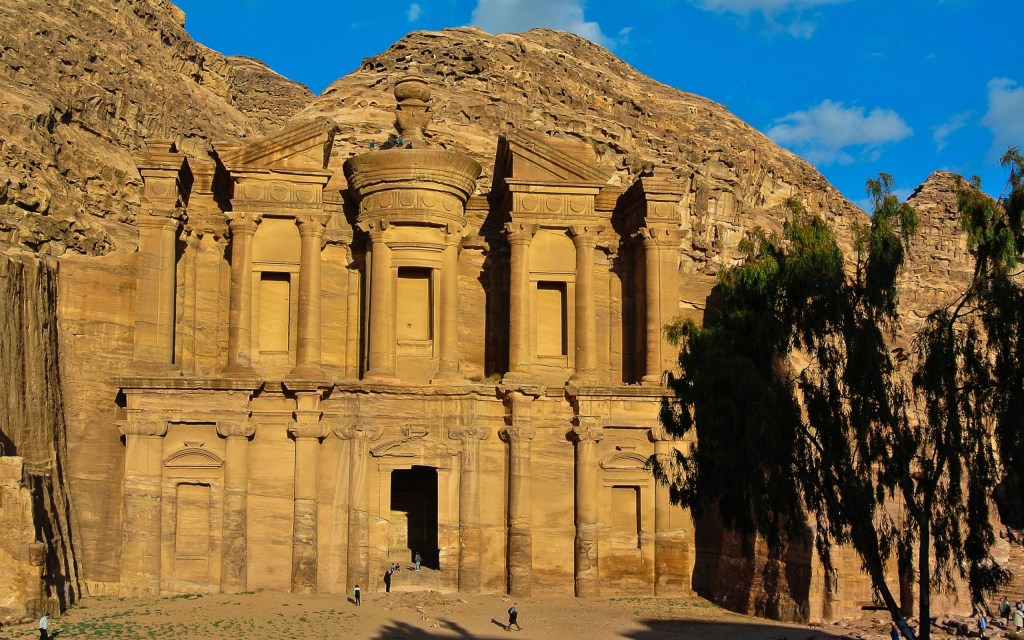
Petra(Jordan)

Declared a World Heritage Site in 1985, Petra was the capital of the Nabataean empire of King Aretas IV, and likely existed in its prime from 9 B.C. to A.D. 40. The members of this civilization proved to be early experts in manipulating water technology, constructing intricate tunnels and water chambers, which helped create an pseudo-oasis. A number of incredible structures carved into stone, a 4,000-seat amphitheater and the El-Deir monastery have also helped the site earn its fame.

Some other are
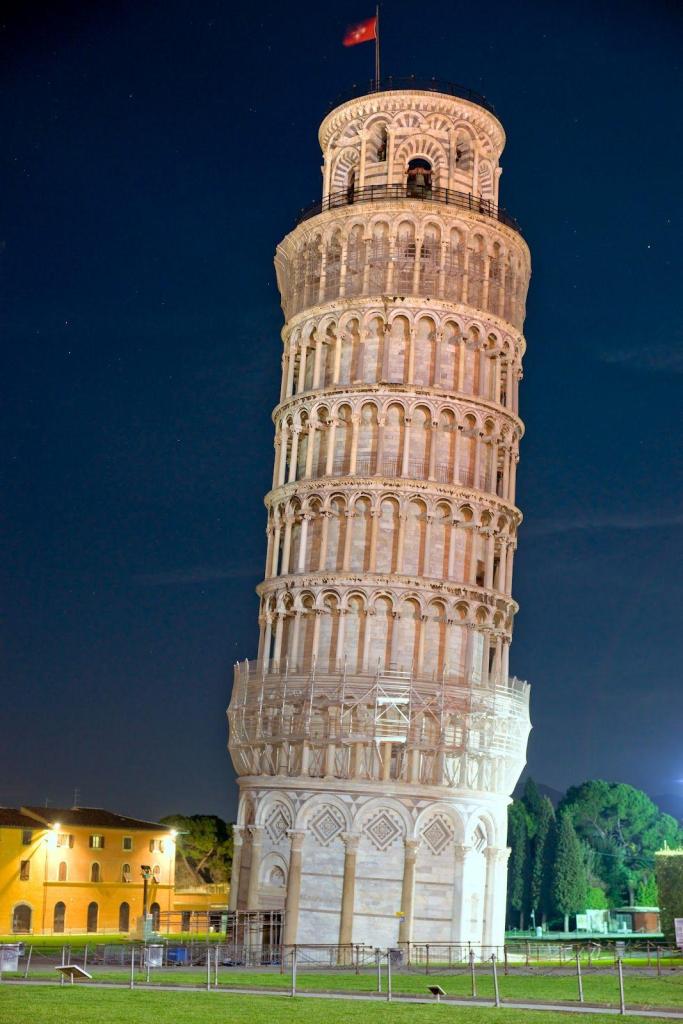
Leaning tower of Pisa
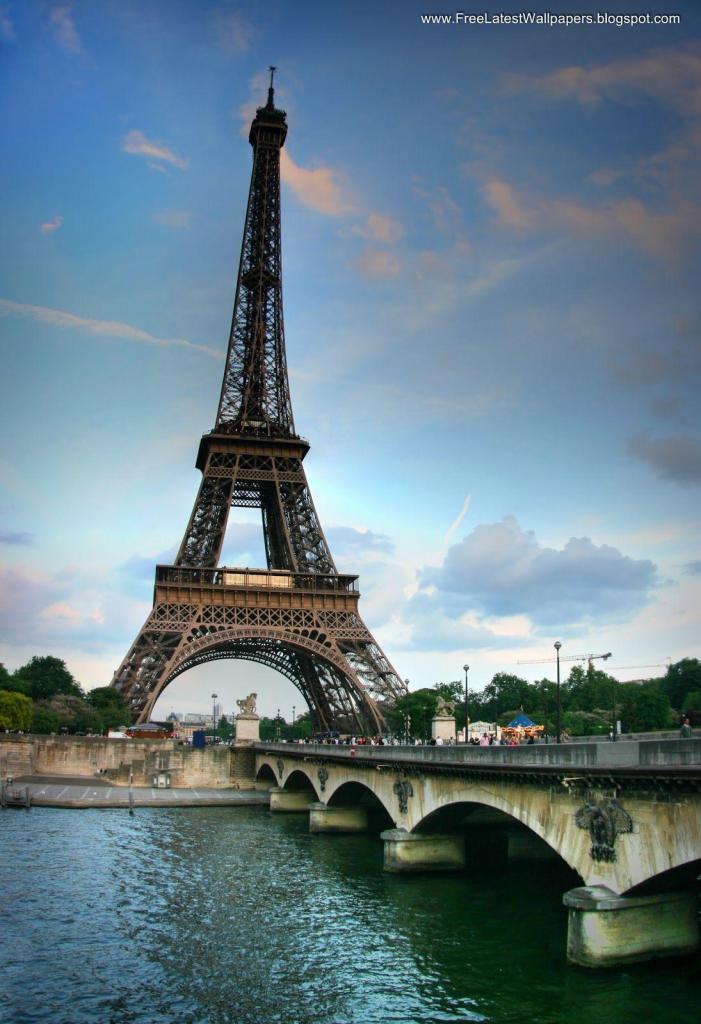
Eiffiel Tower

All the great constructions

Formation of Earth

Earth

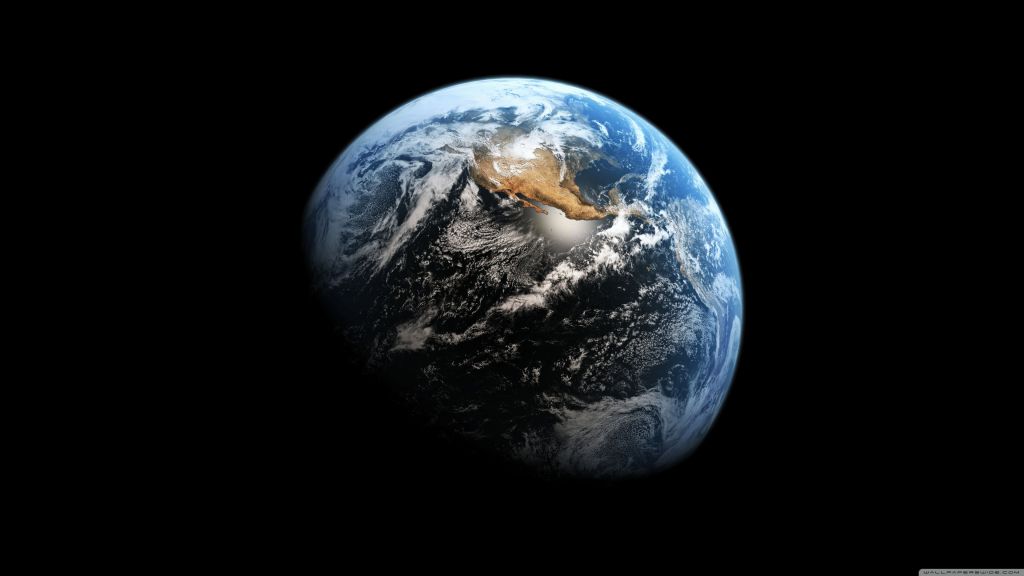
The geological time scale (GTS), as defined by international convention,[3] depicts the large spans of time from the beginning of the Earth to the present, and its divisions chronicle some definitive events of Earth history. (In the graphic: Ga means “billion years ago”; Ma, “million years ago”.) Earth formed around 4.54 billion years ago, approximately one-third the age of the universe, by accretion from the solar nebula.[4][5][6] Volcanic outgassing probably created the primordial atmosphere and then the ocean, but the early atmosphere contained almost no oxygen. Much of the Earth was molten because of frequent collisions with other bodies which led to extreme volcanism. While the Earth was in its earliest stage (Early Earth), a giant impact collision with a planet-sized body named Theia is thought to have formed the Moon. Over time, the Earth cooled, causing the formation of a solid crust, and allowing liquid water on the surface.

The Hadean eon represents the time before a reliable (fossil) record of life; it began with the formation of the planet and ended 4.0 billion years ago. The following Archean and Proterozoic eons produced the beginnings of life on Earth and its earliest evolution. The succeeding eon is the Phanerozoic, divided into three eras: the Palaeozoic, an era of arthropods, fishes, and the first life on land; the Mesozoic, which spanned the rise, reign, and climactic extinction of the non-avian dinosaurs; and the Cenozoic, which saw the rise of mammals. Recognizable humans emerged at most 2 million years ago, a vanishingly small period on the geological scale.

The earliest undisputed evidence of life on Earthdates at least from 3.5 billion years ago,[7][8][9]during the Eoarchean Era, after a geological crust started to solidify following the earlier molten Hadean Eon. There are microbial mat fossils such as stromatolites found in 3.48 billion-year-old sandstone discovered in Western Australia.[10][11][12] Other early physical evidence of a biogenic substance is graphite in 3.7 billion-year-old metasedimentary rocks discovered in southwestern Greenland[13] as well as “remains of biotic life” found in 4.1 billion-year-old rocks in Western Australia.[14][15] According to one of the researchers, “If life arose relatively quickly on Earth … then it could be common in the universe.”[14]

Photosynthetic organisms appeared between 3.2 and 2.4 billion years ago and began enriching the atmosphere with oxygen. Life remained mostly small and microscopic until about 580 million years ago, when complex multicellular life arose, developed over time, and culminated in the Cambrian Explosion about 541 million years ago. This sudden diversification of life forms produced most of the major phyla known today, and divided the Proterozoic Eon from the Cambrian Period of the Paleozoic Era. It is estimated that 99 percent of all species that ever lived on Earth, over five billion,[16] have gone extinct.[17][18] Estimates on the number of Earth’s current species range from 10 million to 14 million,[19] of which about 1.2 million are documented, but over 86 percent have not been described.[20] However, it was recently claimed that 1 trillion species currently live on Earth, with only one-thousandth of one percent described.[21]

The Earth’s crust has constantly changed since its formation, as has life has since its first appearance. Species continue to evolve, taking on new forms, splitting into daughter species, or going extinct in the face of ever-changing physical environments. The process of plate tectonicscontinues to shape the Earth’s continents and oceans and the life they harbor. Human activity is now a dominant force affecting global change, harming the biosphere, the Earth’s surface, hydrosphere, and atmosphere with the loss of wild lands, over-exploitation of the oceans, production of greenhouse gases, degradation of the ozone layer, and general degradation of soil, air, and water quality.

Dinasour
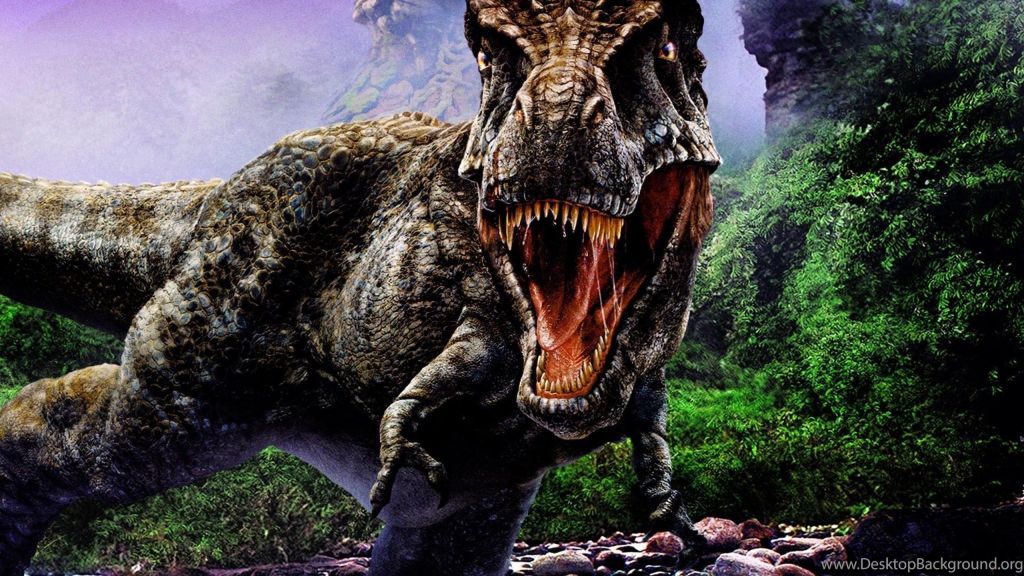
  • Dinosaurs are a diverse group of reptiles of the clade Dinosauria. They first appeared during the Triassic period, between 243 and 233.23 million years181 KB (18,586 words) – 02:13, 14 February 2019
  • Dinosaur sizeSize has been one of the most interesting aspects of dinosaur science to the general public and to scientists. Dinosaurs show some of the most extreme80 KB (7,836 words) – 19:39, 14 March 2019

INDIAN History


Anatomically modern humans
 are thought to have arrived on the Indian subcontinent from Africa between 73,000 and 55,000 years ago.[1] Settled life, which involves the transition from foraging to farming and pastoralism, began in South Asia around 7,000 BCE. The domestication of wheat and barley, rapidly followed by that of goats, sheep, and cattle, has been documented at MehrgarhBalochistan.[2] By 4,500 BCE, settled life had become more widely prevalent,[2] and eventually evolved into the Indus Valley Civilization, an early civilization of the Old world, contemporaneous with Ancient Egypt and Mesopotamia. It flourished between 2,500 BCE and 1900 BCE in what today is Pakistan and north-western India, and was noted for its urban planning, baked brick houses, elaborate drainage, and water supply.[3]

In the beginning of the second millennium BCE climate change, with persistent drought, led to the abandonment of the urban centers of the Indus Valley Civilisation. Its population resettled in smaller villages, and, in the north-west, mixed with Indo-Aryan tribes, who moved into the area in several waves of migration, also driven by the effects of this climate change. The Vedic periodwas marked by the composition of the Vedas, large collections of hymns of some of the Aryan tribes, whose postulated religious culture, through synthesis with the preexisting religious cultures of the subcontinent, gave rise to Hinduism. The caste system, which created a hierarchy of priests, warriors, and free peasants, but which excluded indigenous peoples by labeling their occupations impure, arose later during this period. Towards the end of the period, around the sixth century BCE, a second urbanisation took place with the consolidation of small kingdoms (janapadas) into larger states called mahajanapadas. This renewed urbanisation led to the rise of new ascetic or Śramaṇa movements, including Jainism and Buddhism, which challenged the orthodoxy of rituals,[4] and gave rise to new religious concepts

Transformers — Knowledge world

Autobots are a team of sentient mechanical self-configuring modular robotic lifeforms from the planet Cybertron led by Optimus Prime, and the main protagonists in the universe of the Transformers, a collection of various toys, cartoons, movies, graphic novels, and paperback books first introduced in 1984. The “Heroic Autobots” are opposed by the Evil Decepticons.[1][2][3] Both Autobots and Decepticons are humanoid robots that can transform into machines, vehicles and […]

Transformers — Knowledge world

Transformers

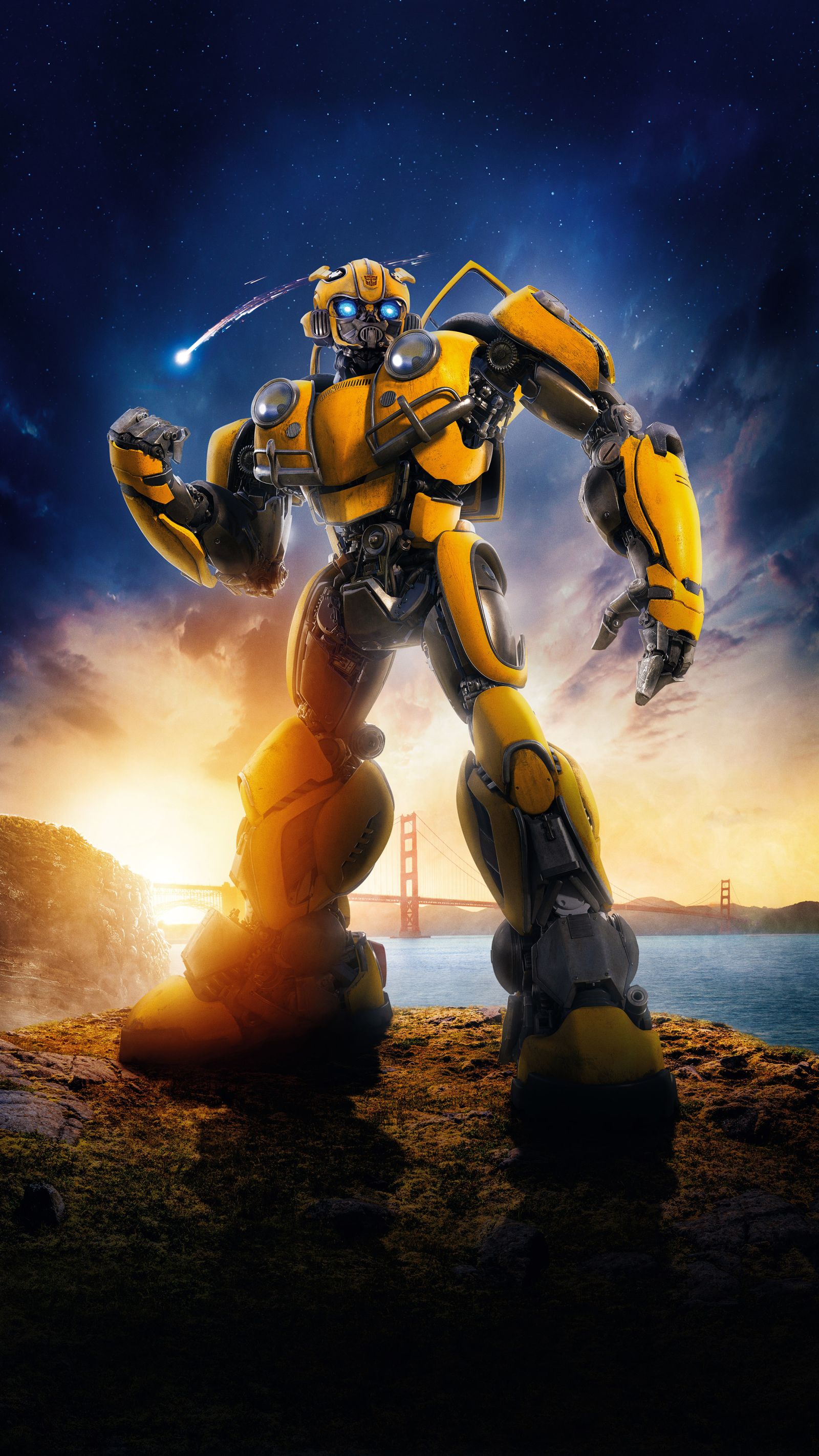
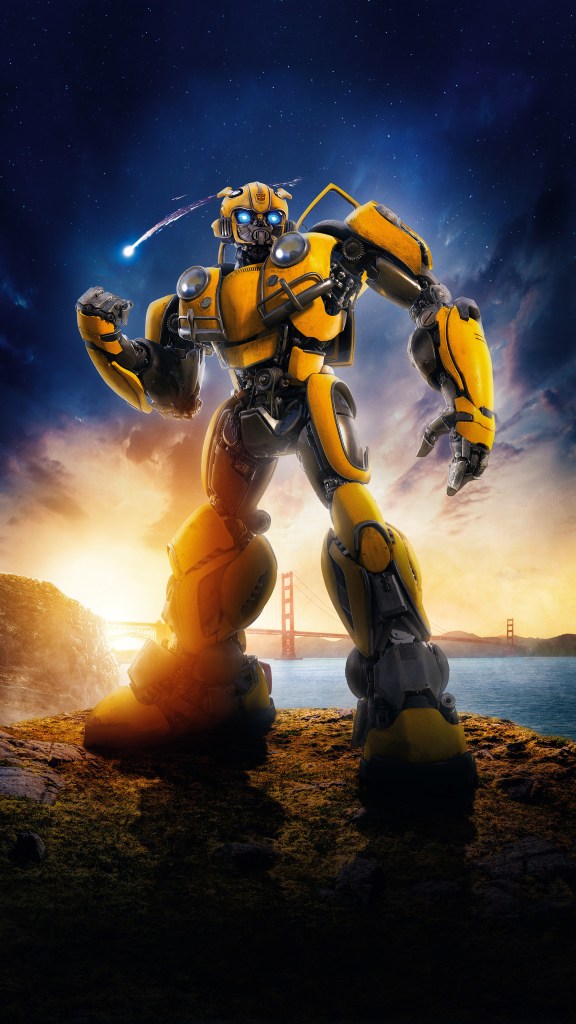
Bumble bee
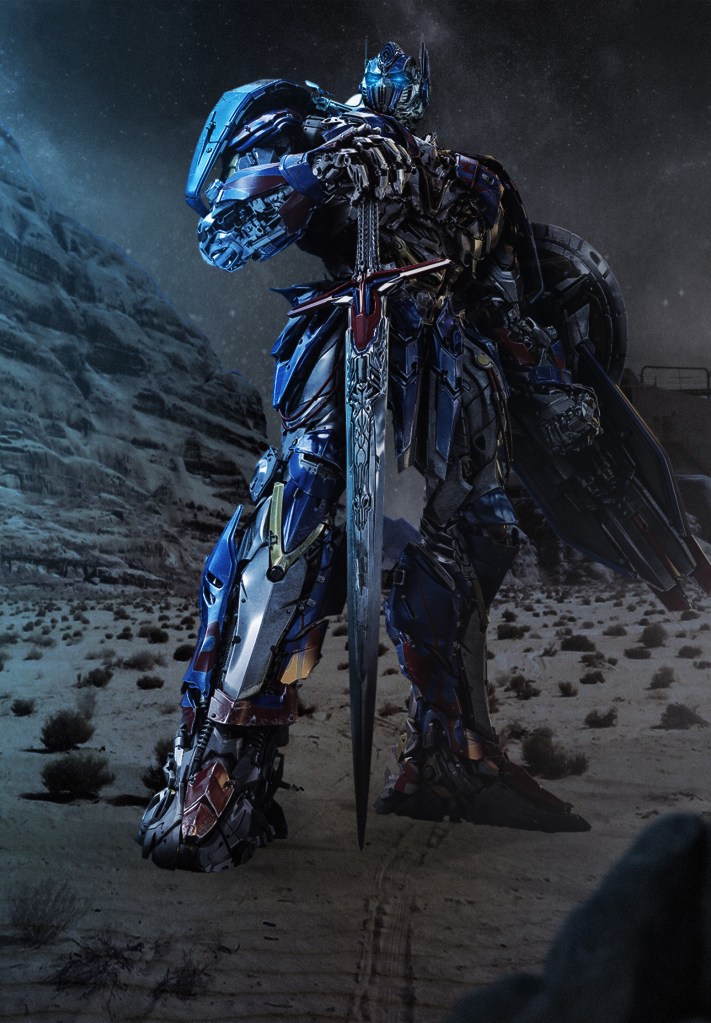
Optimus Prime
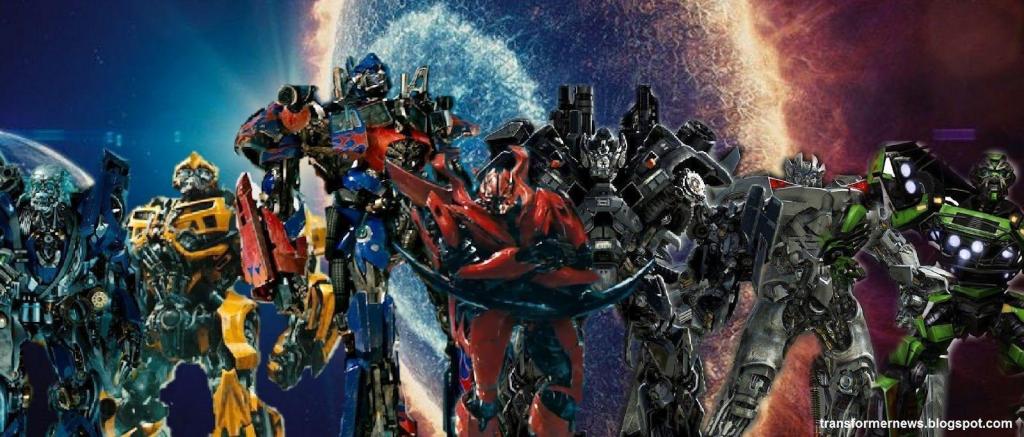
All the Transformers or autobots

Autobots are a team of sentient mechanical self-configuring modular robotic lifeforms from the planet Cybertron led by Optimus Prime, and the main protagonists in the universe of the Transformers, a collection of various toys, cartoons, movies, graphic novels, and paperback books first introduced in 1984. The “Heroic Autobots” are opposed by the Evil Decepticons.[1][2][3] Both Autobots and Decepticons are humanoid robots that can transform into machines, vehicles and other familiar mechanical objects, as well as mimic organic lifeforms (Dinobots). Autobots typically transform into regular cars, trucks, or other road vehicles (automobiles) but some few are aircraft, military vehicles, communication devices, weapons, and even robotic animals. These Autobots are often grouped into special “teams” that have the suffix “-bot” at the end, such as in Dinobot (Decepticon groups’ names end in “-con”).

Autobots
Autobot Insignia
Publication information
PublisherMarvel ComicsDreamwave ProductionsFun PublicationsTitan MagazinesIDW Publishing, and Devil’s Due Publishing.
First appearanceThe Transformers #1
(September 1984)
In-story information
Base(s)Cybertron, Earth, Iacon, Autobot City (G1), the Ark, Cybertron Base (RID), Diego Garcia(ROTF), Washington, D.C.(DOTM), and Autobot Omega Outpost One (Prime).
?PrimusDynasty of PrimesOptimus PrimeRodimus PrimeSentinel PrimeUltra Magnus
Roster
See: List of Autobots

In Japan, the Autobots are called “Cybertrons” (サイバトロン Saibatoron)[4] except in the film series, Transformers Animated, and Transformers: Prime, where they are referred to as Autobots (オートボット Ōtobotto). In Italy, they are called “Autorobots“. The Autobot insignia is also sometimes referred to as an “Autobrand” in issue #14 of the Marvel Comics series. The descendants of the Autobots, the Maximals from Transformers: Beast Wars, are also known as Cybertrons in Japan.

In the Michael Bay live action films, as well as in the CGI-animated series Transformers: Prime, the title Autobots is explained to be the short version of the title Autonomous Robotic Organisms